A Sport in Transition: Has College Football Lost Its Soul?
More Than a Game? The Debate Over College Football's Identity
As another college football season reaches its climax, a familiar yet increasingly urgent debate has resurfaced among fans, analysts, and even former players: has college football lost its soul? The argument, as articulated by commentators like Dave Dameshek, centers on the idea that the traditions, rivalries, and regional charms that once defined the sport are being eroded by the forces of commercialization, conference realignment, and the transfer portal. What was once a passionate, albeit imperfect, amateur spectacle is now seen by many as a semi-professional league where tradition takes a backseat to television contracts and financial windfalls.
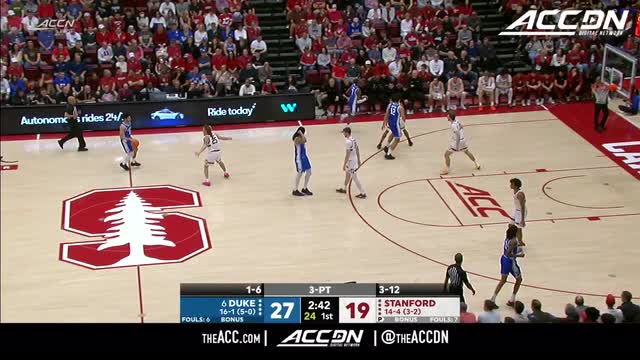
The era of major conference realignment has been a primary catalyst for this sentiment. Historic rivalries that spanned generations have been cast aside as schools chase larger media rights deals in new conferences. The dissolution of the Pac-12, for example, and the creation of coast-to-coast super-conferences have left many fans feeling disconnected from the sport's roots. A Saturday that was once filled with regional matchups steeped in history now often features geographically nonsensical games. This shift has led to concerns that the very fabric of college football—the unique sense of place and community—is unraveling.
Adding to this identity crisis is the advent of Name, Image, and Likeness (NIL) deals and the largely unregulated transfer portal. While proponents argue that players deserve to be compensated and have the freedom to move, critics contend that it has created a transactional, free-agency-like environment. The focus, they argue, has shifted from team loyalty and player development to individual branding and maximizing earning potential. This has led to concerns about competitive balance, as programs with deeper pockets for NIL collectives can often attract and retain top talent more easily, widening the gap between the haves and the have-nots.
Furthermore, the expansion of the College Football Playoff has been a double-edged sword. While it provides more teams with a chance to compete for a national championship, it has also arguably diminished the importance of the traditional bowl system. Classic bowl games that were once the ultimate prize for a successful season are now sometimes viewed as consolation prizes. The increasing number of top players opting out of these games to prepare for the NFL draft has further diluted the prestige and competitiveness of the bowl season, turning what was once a celebration of college football into a series of exhibitions for some.
However, it is important to acknowledge the counterarguments. Many believe these changes are a necessary evolution, bringing the sport into the modern era and providing athletes with long-overdue rights and opportunities. They argue that the passion and pageantry are still present every Saturday in the fall and that new rivalries will form over time. The increased exposure from new media deals, they say, brings the sport to a wider audience. Despite the commercial pressures, the student sections are still packed, the marching bands still play, and the dramatic on-field moments that define college football continue to captivate millions. The soul of the sport, from this perspective, isn't lost but is simply adapting to a new reality.